Shift-Left Testing: How Moving Quality Early Transforms Software Development
In modern software development, delivering reliable and high-quality products quickly is critical. One approach that has gained significant traction in DevOps and CI/CD environments is shift-left testing. But what exactly does this term mean, and why is it transforming how teams build software?
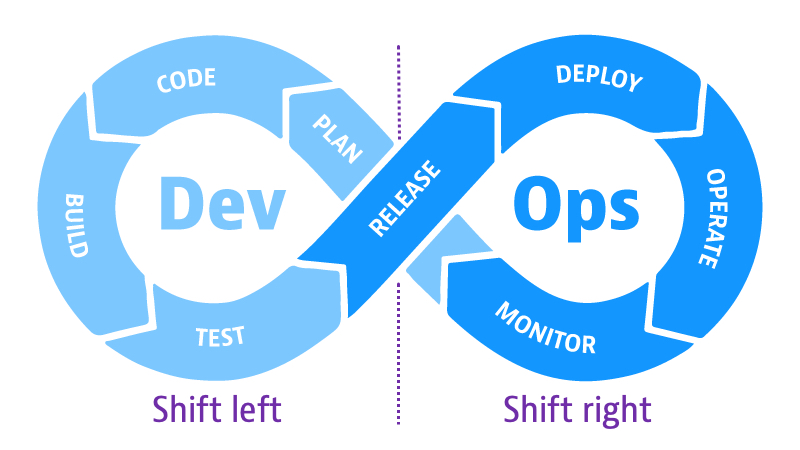
Shift-left testing is the practice of moving testing activities earlier in the software development lifecycle. Instead of discovering defects after implementation or during late-stage QA, teams aim to identify and address issues as soon as possible—often during requirements gathering, design, or initial coding phases. By catching defects early, organizations can reduce costs, minimize rework, and accelerate delivery.
The Core Principle of Shift-Left Testing
The central idea behind shift-left testing is simple: the earlier you detect a problem, the cheaper and faster it is to fix. Traditional development often places QA at the end of the pipeline, which can result in late feedback, increased risk of defects, and delayed releases. Shift-left flips this approach by embedding testing throughout the development process.
This means developers, testers, and other stakeholders collaborate from day one. Testing becomes part of design discussions, coding practices, and integration planning rather than a separate phase. Shift-left encourages proactive quality ownership, making defects visible before they propagate through the system.
Benefits of Shift-Left Testing
Shift-left testing offers several compelling advantages for engineering teams:
- Early defect detection: Catching issues during design or coding reduces the cost and effort required for fixes.
- Faster feedback loops: Automated tests and early validation provide immediate insights into the health of the codebase.
- Reduced bottlenecks: By spreading testing across the team, the end-of-cycle QA stage no longer slows down delivery.
- Improved collaboration: Developers, testers, and product owners work together, fostering a shared responsibility for quality.
- Higher confidence in releases: Continuous validation and automated checks reduce the risk of regressions.
Shift-Left Testing in Practice
Implementing shift-left requires a combination of mindset, processes, and tools. Key practices include:
- Test-Driven Development (TDD): Writing tests before code ensures functionality is validated from the start.
- Behavior-Driven Development (BDD): Focusing on user behavior helps align development and testing objectives.
- Continuous Integration (CI) Pipelines: Running automated tests early and often ensures immediate feedback.
- Static Analysis and Code Reviews: Identifying issues before runtime reduces defects downstream.
- Early Performance and Security Testing: Catching scalability or vulnerability issues during development prevents costly fixes later.
Shift-Left vs Traditional QA
Traditional QA often operates as a final gatekeeper, verifying software after it has been developed. While this model can detect defects, it tends to increase cycle time and the cost of fixes. Shift-left, in contrast, distributes testing responsibility across the team and emphasizes early detection. It does not eliminate QA but rather redefines the role of quality assurance as an ongoing, integrated activity.
Challenges and Considerations
Adopting shift-left testing is not without challenges. Teams may face:
- Cultural resistance: Developers may be unaccustomed to writing tests or participating in design validation.
- Tooling complexity: Early testing requires investment in automated frameworks and CI/CD infrastructure.
- Skill gaps: Engineers may need training in testing methodologies, performance testing, and security validation.
- Balancing speed and quality: Continuous delivery pressures can tempt teams to cut corners if processes are not well established.
Successful adoption requires executive support, team buy-in, and a strong focus on training and process improvement.
Conclusion
Shift-left testing represents a fundamental shift in how software quality is approached. By integrating testing earlier in the development lifecycle, teams can detect defects sooner, reduce costs, and deliver reliable products faster. It fosters collaboration, encourages shared ownership of quality, and aligns closely with modern DevOps and CI/CD practices.
Ultimately, shift-left testing is not just a technique—it is a mindset that transforms software development from a reactive process into a proactive, quality-driven approach.